Niels Weijenberg
Historian of Renaissance and Early Modern Art
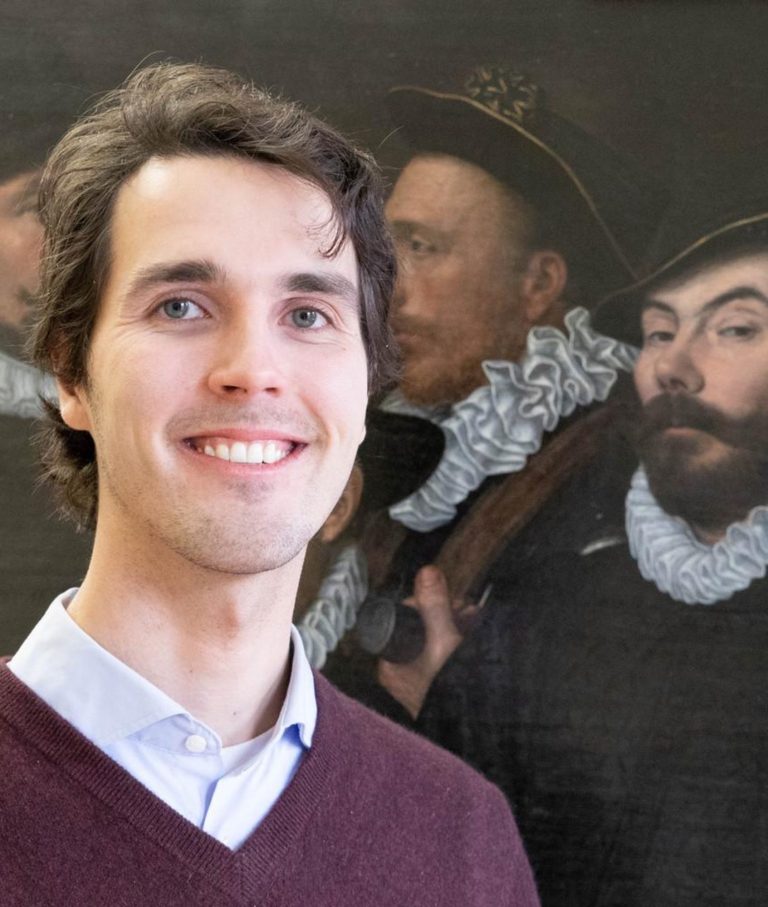
Photo credit: Letty Bonsma
Welcome
Niels Weijenberg is a scholar, curator, and teacher of art history, specialising in the history of renaissance and early modern art.
Niels received his PhD in Art History and Visual Studies from The University of Manchester in 2025. Before coming to Manchester, he studied at The Courtauld Institute of Art (London), Vrije Universiteit (Amsterdam), the University of Milan, and Utrecht University.
Over three consecutive years teaching Manchester’s undergraduate survey course on art history from the ice age to the baroque, Niels has established himself as a confident lecturer, seminar leader, and fieldtrip organiser, recognised for combining wide-ranging subject knowledge with an engaging and intellectually rigorous approach to teaching.
His scholarship has been recognised through awards including the Haboldt-Mutters Prize, awarded by the journal Simiolus for the best original contribution on European art prior to 1950 by a scholar under 35, and an Honourable Mention for the Doctoral Thesis Prize of The Manchester Jean Monnet Centre of Excellence. Niels has held fellowships at the Herzog August Bibliothek (Wolfenbüttel), the Allard Pierson Museum (Amsterdam), and the Nederlands Interuniversitair Kunsthistorisch Instituut (NIKI, Florence).
Current research
Niels Weijenberg’s research is on the art and intellectual culture of the Low Countries, c. 1500-1700. His scholarly interests include the intersection of art and knowledge, artist migration, intermedial collaborations, art in times of conflict and violence, and global approaches to art history. He integrates established art historical methodologies with emerging theoretical perspectives and interdisciplinary insights. Images and artifacts—ranging from paintings and prints to stained-glass windows and calligraphy—serve as points of departure for his research.
He is currently working on three projects:
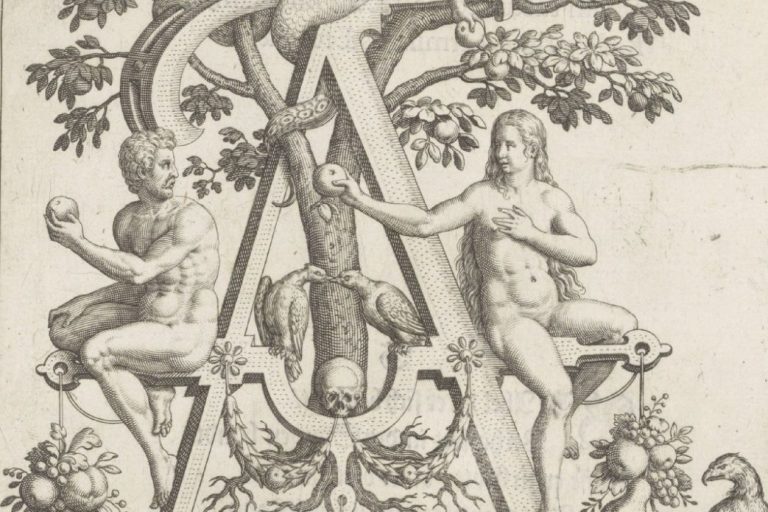
The Quest for the Universal Language in Early Modern Print Culture
Niels is completing his first monograph, Adam’s Alphabet: The Quest for the Universal Language in Netherlandish Print Culture, c. 1560-1650, based on his dissertation. It will appear with Brill, in the series Studies on Art, Art History, and Intellectual History.
Adam’s Alphabet investigates how early modern Netherlandish artists and scholars sought to understand the origins of human language and the invention of writing. Fascinated by Adam’s first acts of naming in Paradise and troubled by the confusion of tongues and the dispersal of peoples after Babel, they pursued the possibility of a universal language amid the violence of the Dutch Revolt. Drawing on scientific illustrations, broadsheets, emblem books, and calligraphy, this book reconstructs the ways in which art, scholarship, and print culture about linguistic history intersected.
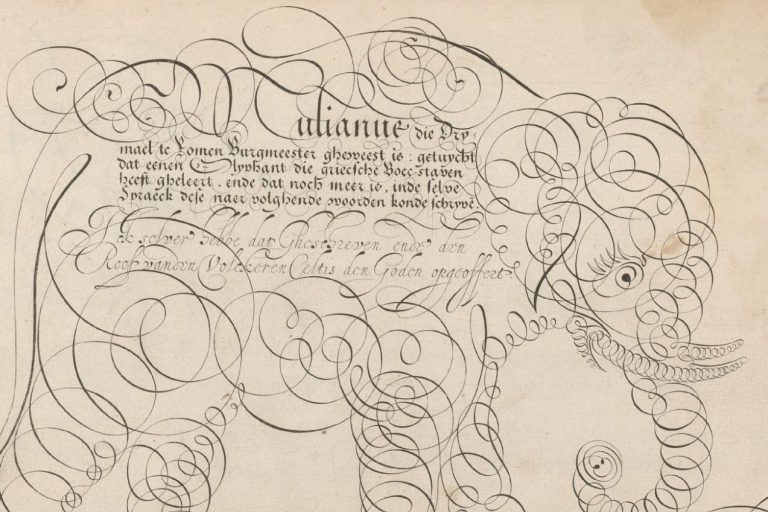
Early Modern Calligraphy
Niels's second project studies the history of early modern Netherlandish calligraphy and its connections to community formation, artist mobility, and intellectual exchange. It explores how a writing manual became a vehicle through which a calligrapher, a printmaker, and a philologist disseminated antiquarian knowledge and expressed their love of art and language.
This research will result in a chapter in an edited volume featuring essays by leading scholars of European, Chinese, and Islamic calligraphy, to appear with Brepols.
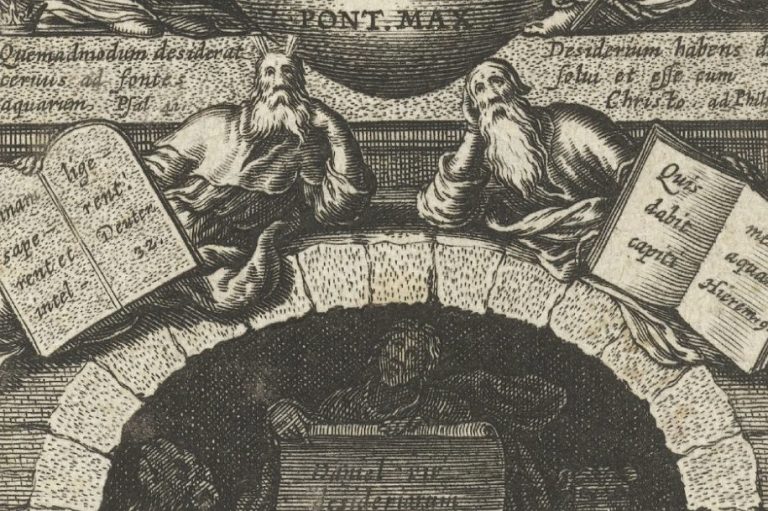
Imagining the History of Paper
The third project explores how early modern Netherlandish antiquarians and printmakers understood the long history of paper in relation to its use as an artistic and scholarly medium in the present.
Niels presented his preliminary findings at the conference Mundus Chartaceus: Paper, Virtual Presence, and the Production of Knowledge in Early Modern Europe, 1500-1700 (Lovis Corinth Colloquium XIV), held in September 2025 at Emory University (Atlanta, USA), and organised by Prof. Sarah McPhee and Prof. Walter S. Melion. Its proceedings will appear in Brill’s series Studies on Art, Art History, and Intellectual History.
Completed projects
As researcher and assistant curator of Huis Bergh ('s-Heerenberg, The Netherlands), Niels investigated a striking 1581 group portrait of mint master Clemens van Eembrugge and his assistants. Since Van Eembrugge was in the service of the Count Van den Bergh, the castle archives contain a rich body of legal and personal documents connected to him. Through archival research, Niels pieced together the mint master’s professional life and personality, as well as his art patronage.
His findings will be published in a forthcoming volume he co-edited with contributions from invited specialists.
Niels’s work at Huis Bergh was supported by a grant from Vereniging Rembrandt.
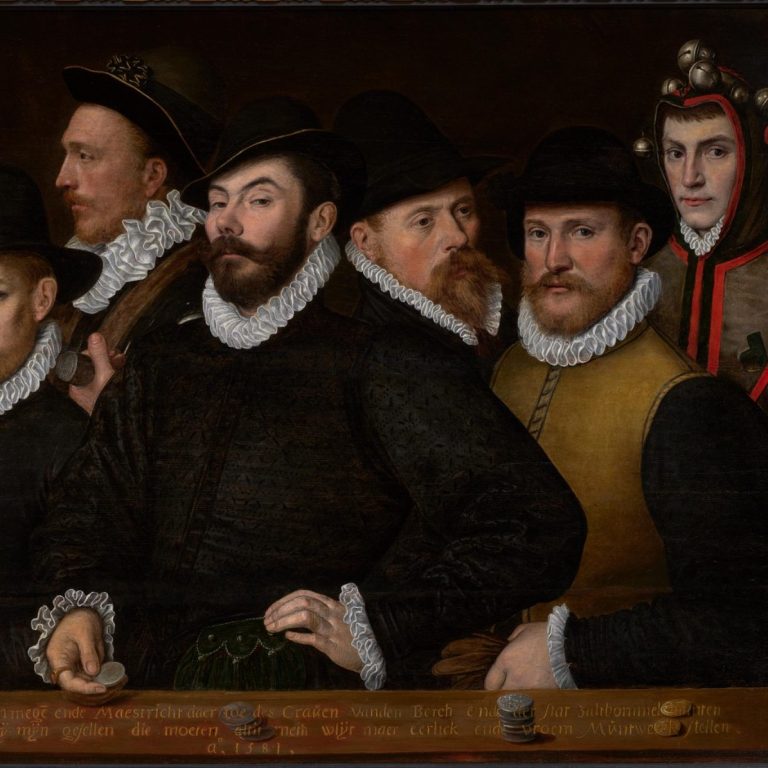
Photo credit: René Gerritsen
Publications
Scholarly publications
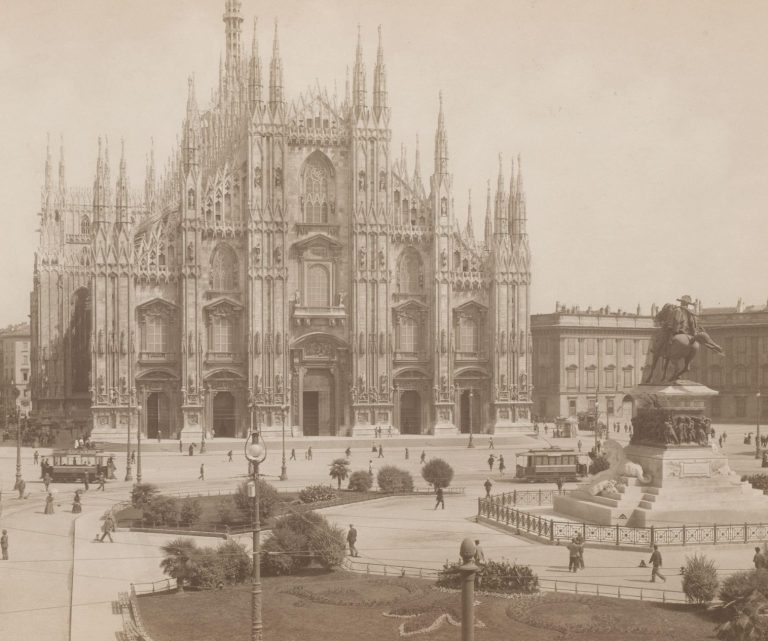
N. Weijenberg, ‘The Success of Netherlandish Artists in Spanish Milan: Valerius van Diependale and the Glass Painters of the Fabbrica del Duomo’, Simiolus 47 (2026), 5-29.
N. Weijenberg, exhibition review ‘From Michelangelo to Callot: The Art of Mannerist Printmaking. Prague: National Gallery, 2024’, Renaissance Studies 39 (2024) 2, 282-287.
Recent talks
- Nederlands Genootschap van Bibliofielen – Haarlem, May 2026
- Visual Culture Colloquium, University of Amsterdam – Amsterdam, October 2025
- Conference Mundus Chartaceus: Paper, Virtual Presence, and the Production of Knowledge in Early Modern Europe, 1500-1700, Emory University – Atlanta (USA), September 2025
- Conference Historians of Netherlandish Art, ANKK Sponsored Session Moving Dutch Knowledge: Collections as Knowledge Repositories and Sites of Transformation and Transfiguration – Cambridge, July 2024
- Conference Italy and the Low Countries - Artistic Relations: The Sixteenth Century, Nederlands Interuniversitair Kunsthistorisch Instituut (NIKI) te Florence – Utrecht, March 2023